The Petrozavodsk Phenomenon
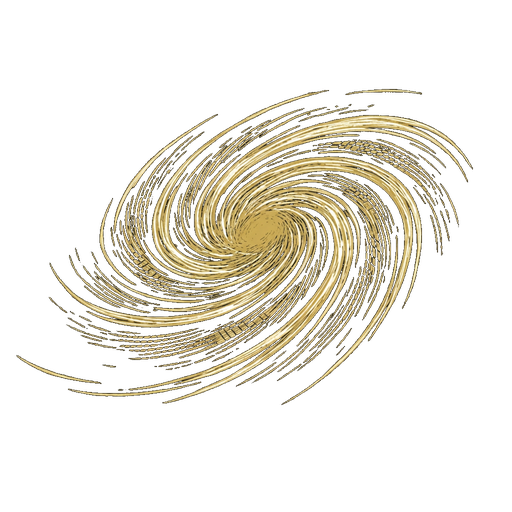
A glowing "jellyfish" showered rays over a Soviet city in 1977, seen across two countries. The cause was a secret satellite launch. The panic changed Soviet science policy.
Reference note. This guide explains the basics of well-known UFO and UAP cases, people, and claims: what happened, who was involved, and what supporters and skeptics say. Milky Way News takes no position. Further investigation, skepticism, or belief is up to you.
01Summary
Before dawn on September 20, 1977, residents of Petrozavodsk in Soviet Karelia, and observers across northwest Russia and into Finland, watched a brilliant glowing mass spread across the sky "like a jellyfish," showering thin luminous rays, hovering in appearance for minutes, and leaving reported traces including holes in windowpanes. The event, reported by the official TASS agency, became the USSR's most famous UFO case.
02What Happened
The display coincided, as later established, with the secret launch of the Kosmos-955 reconnaissance satellite from the Plesetsk cosmodrome, then an unacknowledged facility northeast of the city. Fuel venting and exhaust in the high atmosphere at twilight produced the expanding luminous cloud, the same mechanism behind modern "space jellyfish" seen after Falcon 9 launches. The window holes were never authenticated as connected.
03The Evidence
Mass testimony, contemporary press coverage, and the launch records that eventually matched the timing exactly.
04Official Response
The unexplained framing in state media, extraordinary for the USSR, generated such pressure that the Academy of Sciences established a standing program (the Setka research effort) to study anomalous atmospheric phenomena, the Soviet analog of official UFO study, whose files later showed most cases resolving to launches and tests.
05Skepticism
Here the explanation is documentary: the launch is on the record, and Soviet scientists themselves closed the case once secrecy lifted. The case's enduring interest is structural: a state's own secrecy manufactured its greatest UFO event, then built a research program to manage the byproducts, a pattern Western analysts cite when arguing how many classic cases secret programs may underlie. Residual proponents point to detail mismatches in some witness accounts; the launch correlation stands.
- TASS and Soviet press coverage, September 1977
- The Setka program documentation (post-Soviet releases; Yuli Platov and Boris Sokolov's accounts)
- Launch records for Kosmos-955
Milky Way News Editorial · Reference entry · Last updated September 1, 2026